
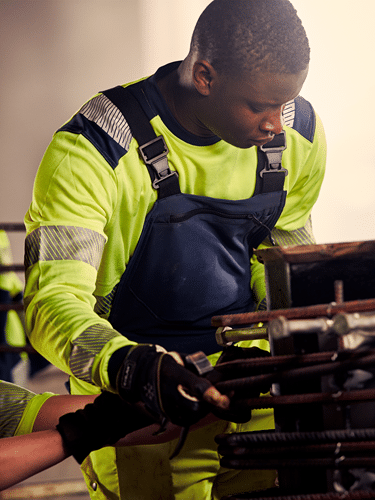
What Are PPE Equipment?
PPE equipment, also known as Personal Protective Equipment, refers to clothing, equipment and accessories designed to protect workers from health and safety risks in the workplace. PPE is used across a wide range of industries, including construction, manufacturing, warehousing, healthcare, logistics and engineering. The purpose of PPE is to reduce the risk of injury or illness when hazards cannot be completely eliminated through other safety measures. Common examples of PPE equipment include safety helmets, high-visibility clothing, safety footwear, gloves, eye protection and hearing protection.What Does PPE Stand For?
PPE stands for Personal Protective Equipment. The term covers any equipment worn by workers to protect them from potential workplace hazards. Employers have a legal responsibility to provide suitable PPE where risks cannot be adequately controlled by other means.Why Is PPE Important?
PPE plays a vital role in workplace safety by helping to prevent serious injuries and long-term health issues. Without appropriate PPE, workers may be exposed to:- Falling objects
- Sharp materials
- Chemical splashes
- Excessive noise
- Dust and airborne particles
- Vehicle movements
- Slips, trips and falls
Types of PPE Equipment
Head Protection
Safety helmets and hard hats protect workers from falling objects, impacts and head injuries. They are commonly used on construction sites, industrial facilities and warehouses.Eye Protection
Safety glasses, goggles and face shields help protect the eyes from dust, debris, chemicals and flying particles.Hearing Protection
Ear defenders and ear plugs are designed to reduce exposure to harmful noise levels, helping to prevent hearing damage over time.Hand Protection
Protective gloves are available for various applications, including handling sharp objects, chemicals, electrical equipment and heavy materials.Foot Protection
Safety boots and safety trainers help protect feet from impacts, punctures, slips and crush injuries.High-Visibility Clothing
Hi-vis vests, jackets and trousers improve visibility, particularly in low-light conditions or areas where vehicles are operating.Respiratory Protection
Face masks and respirators help protect workers from dust, fumes, vapours and airborne contaminants.Who Needs PPE Equipment?
Many industries require PPE as part of their daily operations, including:- Construction
- Manufacturing
- Warehousing
- Transport and logistics
- Engineering
- Utilities
- Facilities management
- Healthcare
PPE Regulations in the UK
Under UK health and safety legislation, employers must provide suitable PPE to employees when risks cannot be adequately controlled through other measures. PPE should:- Be appropriate for the risk
- Fit correctly
- Be maintained and replaced when necessary
- Be accompanied by suitable training where required
Choosing the Right PPE Equipment
When selecting PPE, it is important to consider:- The workplace hazards involved
- Industry regulations
- Comfort and fit
- Durability
- Compatibility with other PPE
- Visibility requirements