
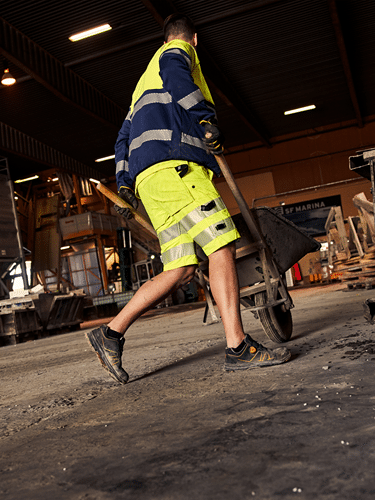
Are Work Clothes Tax Deductible?
In the UK, some work clothes can be tax deductible, but not all clothing worn for work qualifies for tax relief. Generally, HMRC allows tax relief on work clothing that is considered a uniform, protective clothing or specialist clothing required for your job. Everyday clothing that could be worn outside of work is usually not eligible, even if it is only worn while working. Understanding what qualifies can help employees and businesses avoid confusion and ensure they remain compliant with HMRC guidelines.What Work Clothes Qualify for Tax Relief?
Work clothing may qualify for tax relief if it falls into one of the following categories:Uniforms
A uniform is clothing that clearly identifies you as belonging to a particular organisation or profession. Examples include:- Branded polo shirts
- Company uniforms
- Security uniforms
- Healthcare uniforms
- Hospitality uniforms
Protective Clothing
Protective clothing is designed to protect workers from workplace hazards. Examples include:- High-visibility clothing
- Safety boots
- Hard hats
- Protective gloves
- Protective overalls
- Safety goggles
Specialist Clothing
Specialist clothing that is necessary for carrying out a specific role may also qualify. Examples include:- Chef uniforms
- Protective laboratory coats
- Specialist industrial clothing
What Work Clothes Do Not Qualify?
Ordinary clothing is generally not tax deductible, even if it is worn exclusively for work. Examples include:- Suits
- Smart trousers
- Shirts
- Dresses
- Standard footwear
- General office clothing
Can Employees Claim Tax Relief on Work Clothing?
Employees may be able to claim tax relief if:- They are required to wear a uniform for work.
- They must clean, repair or replace the uniform themselves.
- Their employer does not reimburse these costs.
How Much Can You Claim?
The amount you can claim depends on your profession and circumstances. Some occupations have industry-specific allowances set by HMRC, while others may qualify for a standard uniform maintenance allowance. For the latest rates and eligibility requirements, employees should check HMRC guidance directly.Can Employers Claim Workwear Costs?
Businesses can generally claim workwear expenses as a legitimate business expense when clothing is purchased for employees or required for business operations. This may include:- Branded workwear
- Employee uniforms
- High-visibility clothing
- PPE equipment
- Safety footwear
- Protective workwear
Why Branded Workwear Is Popular for Businesses
Many businesses choose branded workwear because it can:- Create a professional appearance
- Improve brand recognition
- Help customers identify staff
- Promote consistency across teams
- Support workplace safety requirements
High-Visibility Clothing and PPE
High-visibility clothing, safety boots, helmets and other PPE are often essential for workers in industries such as:- Construction
- Manufacturing
- Warehousing
- Logistics
- Engineering
- Facilities management