
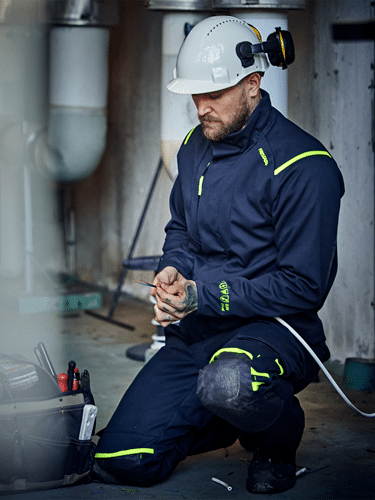
How Should a Safety Helmet Fit?
A safety helmet should fit securely on your head without being too tight or too loose. It should sit level on the head, remain stable during movement and provide adequate protection without causing discomfort. A poorly fitting safety helmet can reduce protection and increase the risk of injury in the event of an accident. Whether you’re working on a construction site, in a warehouse or within an industrial environment, ensuring your helmet fits correctly is essential for workplace safety.Why Is Helmet Fit Important?
Safety helmets are designed to protect workers from impacts, falling objects and other head injuries. However, even a high-quality helmet may not provide adequate protection if it does not fit properly. A correctly fitted helmet helps:- Improve safety and protection
- Prevent the helmet from slipping
- Increase comfort during long shifts
- Ensure compliance with workplace safety requirements
- Reduce distractions while working
How a Safety Helmet Should Sit
A safety helmet should sit level on the head and cover the forehead. The front edge of the helmet should typically sit around 2–3 cm above the eyebrows. It should not tilt too far forwards or backwards. When fitted correctly:- The helmet remains level
- Your vision is not obstructed
- The helmet feels secure
- The internal harness sits comfortably around the head
Adjusting the Helmet Suspension System
Most modern safety helmets include an adjustable suspension or harness system. To achieve the correct fit:- Place the helmet on your head.
- Adjust the headband using the ratchet or adjustment system.
- Tighten until secure but comfortable.
- Check that the helmet does not move excessively when turning your head.
- Ensure the suspension system is sitting evenly around the head.
The Shake Test
A simple way to check the fit is the shake test. Once adjusted:- Bend forwards slightly.
- Turn your head from side to side.
- Gently shake your head.
Should a Safety Helmet Be Tight?
A safety helmet should be snug but not tight. If the helmet is too tight, it may cause:- Headaches
- Discomfort
- Pressure points
- Reduced productivity
- Slip during work
- Reduce protection
- Fall off during movement
When Should You Replace a Safety Helmet?
Even if a helmet appears undamaged, it should be replaced according to the manufacturer’s recommendations. You should replace a safety helmet if:- It has sustained an impact
- The shell is cracked or damaged
- The suspension system is worn
- The helmet shows signs of deterioration
- The manufacturer’s lifespan has been reached
Common Safety Helmet Mistakes
Wearing the Helmet Too Far Back
This can leave the forehead exposed and reduce protection.Wearing the Helmet Too Loose
A loose helmet may move during work or fall off completely.Using a Damaged Helmet
Cracks, dents and damaged suspension systems can compromise safety.Ignoring Manufacturer Guidance
Always follow the manufacturer’s fitting and maintenance instructions.Who Needs a Safety Helmet?
Safety helmets are commonly worn by workers in:- Construction
- Warehousing
- Manufacturing
- Logistics
- Utilities
- Engineering
- Infrastructure projects