
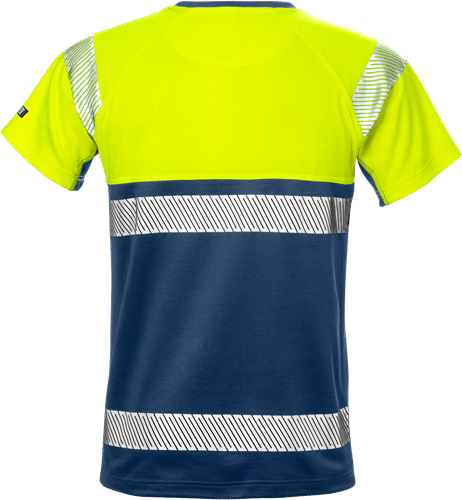
What Is Hi-Vis Clothing?
Hi-vis clothing, short for high-visibility clothing, is a type of personal protective equipment (PPE) designed to make the wearer more visible in low-light conditions, poor weather and high-risk working environments. Hi-vis garments use fluorescent materials and reflective strips to help workers stand out during the day and at night. This increased visibility can help reduce workplace accidents and improve overall safety. Hi-vis clothing is commonly used in industries such as construction, logistics, warehousing, roadworks, rail and facilities management.Why Is Hi-Vis Clothing Important?
The main purpose of hi-vis clothing is to make workers easier to see. Many workplace accidents occur because workers are not easily visible to drivers, machine operators or other employees. Hi-vis clothing helps reduce this risk by improving visibility in environments where there are moving vehicles, machinery or poor lighting conditions. Benefits of hi-vis clothing include:- Improved worker visibility
- Reduced risk of accidents
- Enhanced workplace safety
- Compliance with health and safety requirements
- Increased confidence for workers and employers
Is Hi-Vis Clothing PPE?
Yes. Hi-vis clothing is often classed as Personal Protective Equipment (PPE). Where visibility is identified as a workplace risk, employers may require workers to wear hi-vis clothing as part of their PPE requirements. Common examples include:- Hi-vis vests
- Hi-vis jackets
- Hi-vis trousers
- Hi-vis polo shirts
- Hi-vis sweatshirts
- Hi-vis waterproof clothing
How Does Hi-Vis Clothing Work?
Hi-vis clothing improves visibility using two key features:Fluorescent Material
Fluorescent colours help workers stand out during daylight hours. The most common colours are:- Yellow
- Orange
- Red
Reflective Tape
Reflective strips reflect light back towards its source. This makes workers more visible when illuminated by vehicle headlights, site lighting or other light sources during darker conditions.Who Needs Hi-Vis Clothing?
Hi-vis clothing is used across many industries where visibility is essential. Common users include:Construction Workers
Construction sites often contain moving vehicles, heavy machinery and hazardous working conditions where visibility is critical.Warehouse Staff
Warehouse workers frequently operate near forklifts and loading vehicles where improved visibility helps reduce accidents.Road Workers
Employees working near live traffic require high levels of visibility to remain safe.Rail Workers
Rail workers often work in challenging environments where visibility is a key safety requirement.Delivery Drivers and Logistics Staff
Workers loading and unloading vehicles may be required to wear hi-vis clothing to improve visibility around transport operations.What Are the Different Classes of Hi-Vis Clothing?
High-visibility clothing is classified under the EN ISO 20471 standard. There are three classes:Class 1
The lowest level of visibility protection, typically used in lower-risk environments.Class 2
A medium level of visibility commonly found on hi-vis vests and waistcoats.Class 3
The highest level of visibility protection, often used on construction sites, highways and rail projects. The appropriate class should always be determined through a workplace risk assessment.How to Choose the Right Hi-Vis Clothing
When selecting hi-vis clothing, consider:- Your working environment
- Traffic and vehicle movements
- Lighting conditions
- Weather conditions
- Industry requirements
- Comfort and durability
Caring for Hi-Vis Clothing
To keep hi-vis clothing effective:- Follow the manufacturer’s washing instructions
- Replace damaged garments
- Check reflective strips regularly
- Replace faded clothing when visibility is reduced
- Store garments correctly